Opens in a new tab

Who we are

The movement is growing and looking for new structures.
To strengthen the movement in the long term and enable it to continue its work independently, an association is being formed.

Core Team

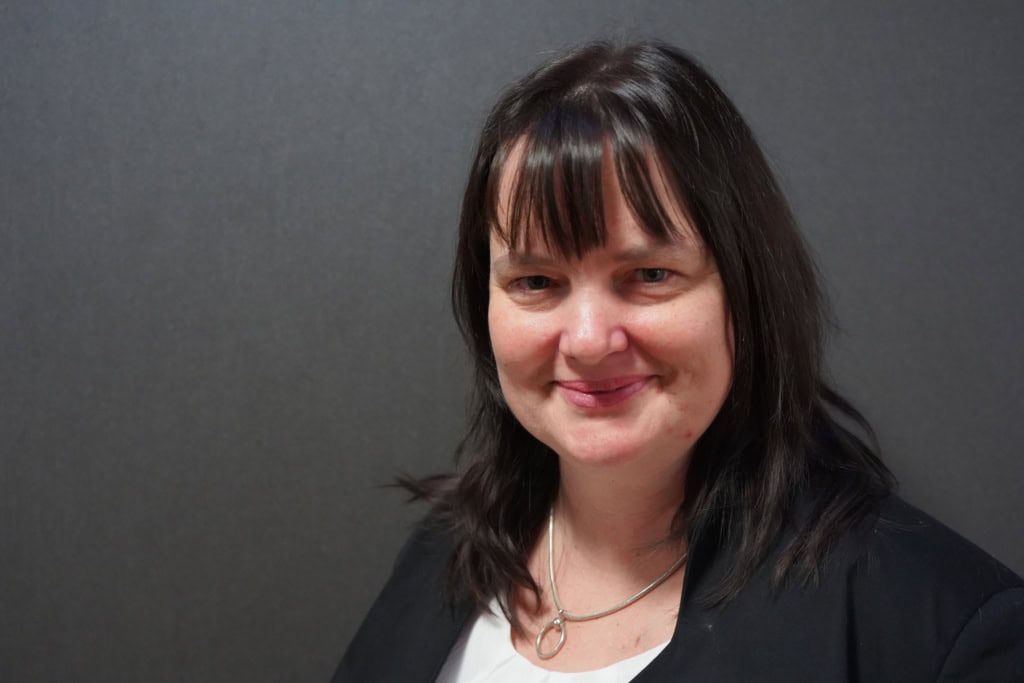
  • Susann Conrad

    Chairwoman of the SelbstHilfeInitiative Alleinerziehender (SHIA) e. V., Berlin regional association

    www.shia-berlin.de

    “The campaign stands for powerful human values. It is a space for one's own story as a person who is cared for and cares for others. It connects because neither values nor stories are tied to gender, ethnicity or age. It gives strength through new alliances and promotes creativity through the openness and curiosity of supporters. Through 100,000 mothers at the Brandenburg Gate, caring people who often provide the basis of all life in secret become visible.”
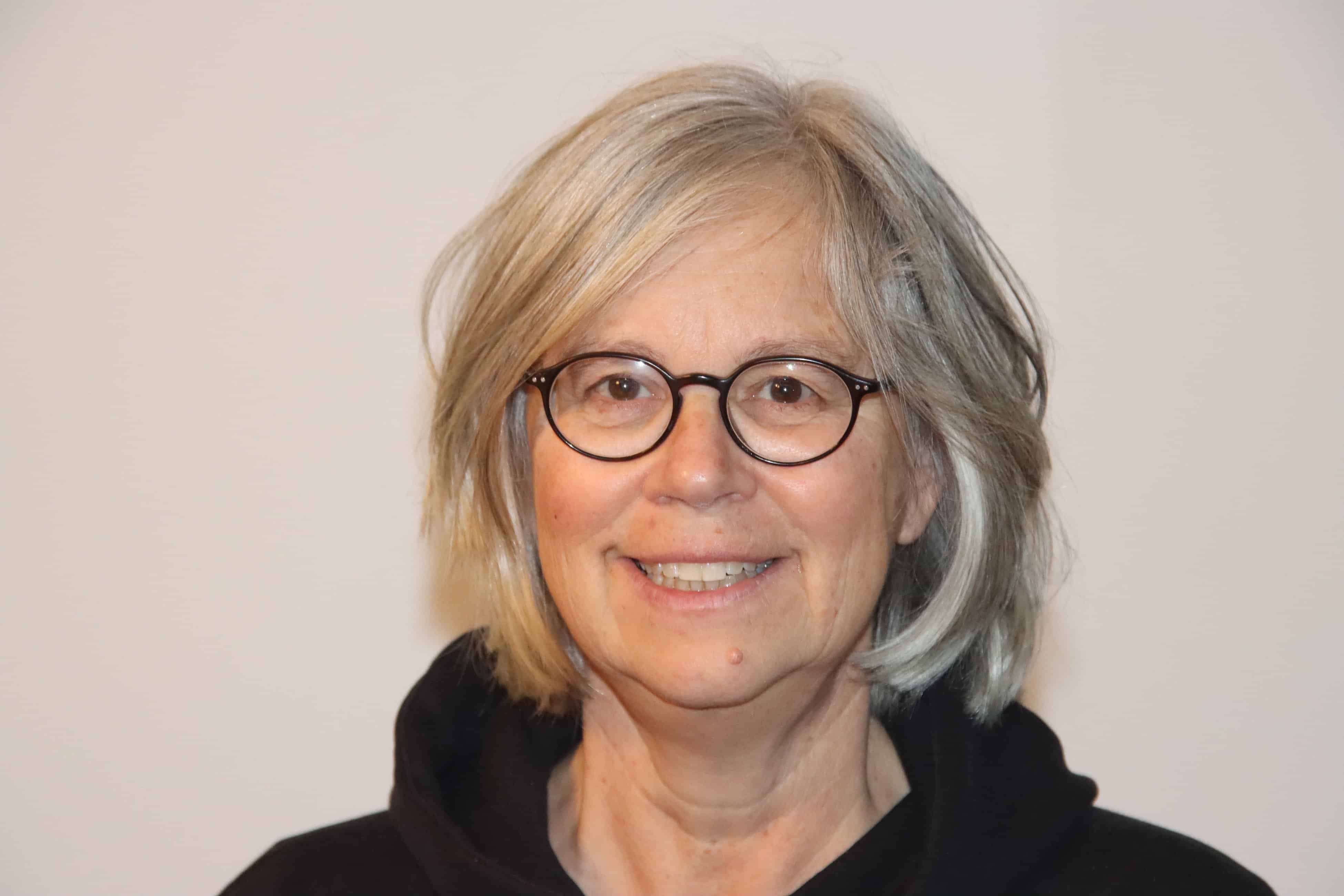
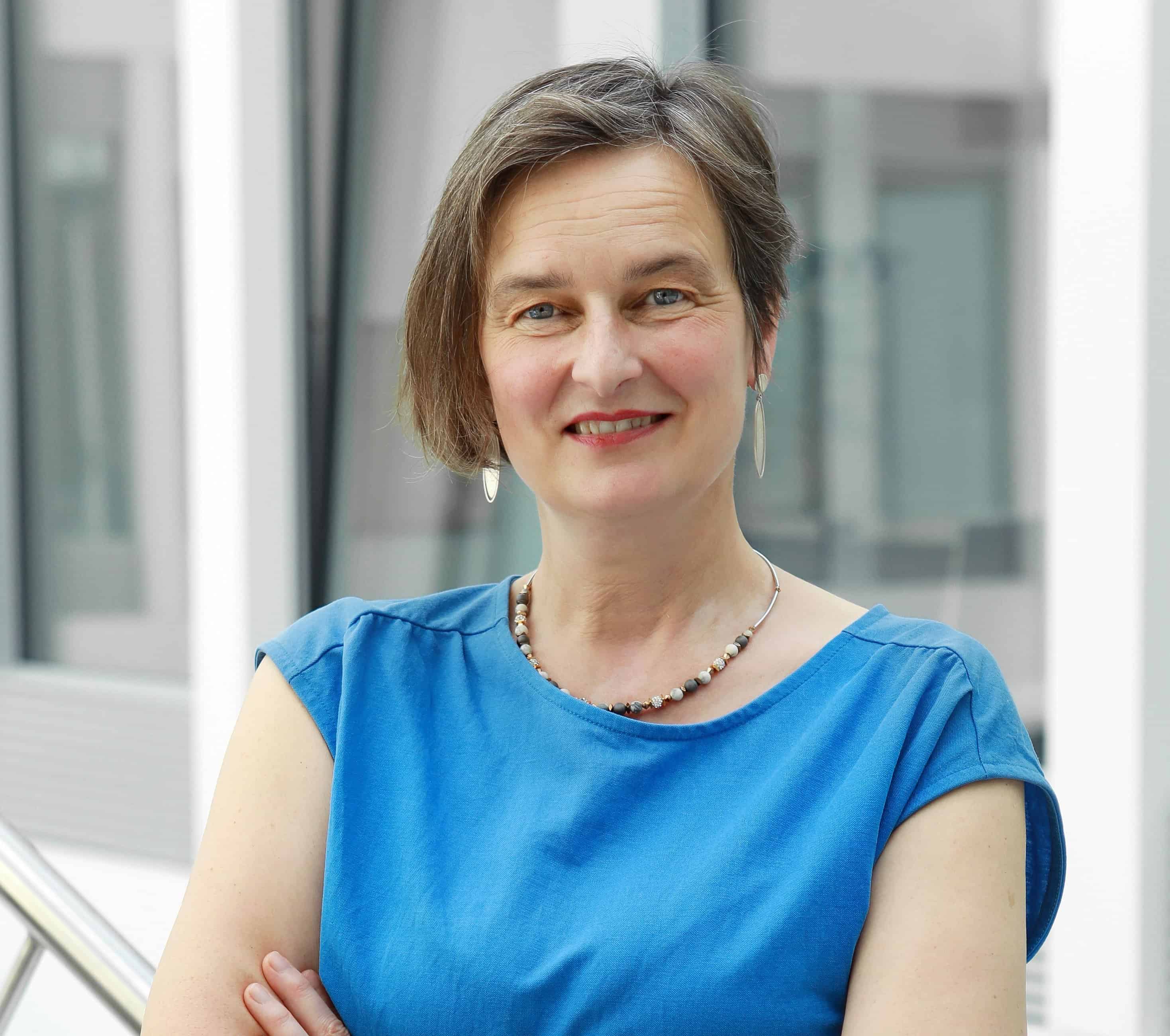
  • Dr. Dagmar Hertle

    Physician, women's health activist, Arbeitskreis Frauengesundheit e.V.

    www.akf-info.de

    “Women do the majority of paid and unpaid care work. Most of these women are mothers. They receive far too little support. It is essential that care work be distributed more equitably.”

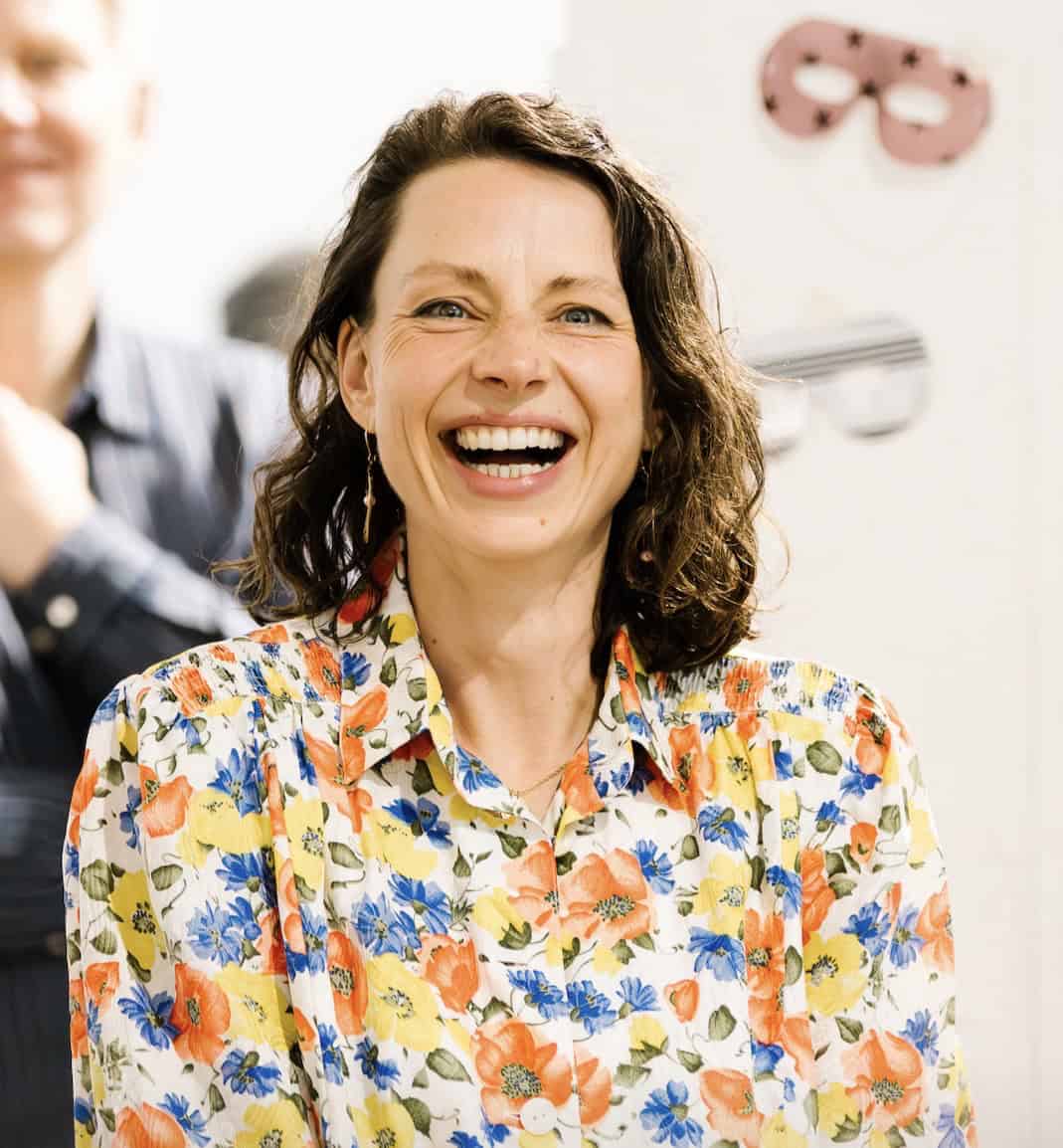
  • Antje Krause

    Management of Haus Daheim prevention and rehabilitation clinic, women's health activist

    www.haus-daheim-kur.de www.instagram.com/hausdaheim

    It is high time to make our vision of an equal and diverse society a reality. I am particularly inspired by the power that comes from solidarity, sisterhood and connection. 100,000 mothers in front of the Brandenburg Gate - what image could better express our unwavering will for real change?

  • Manja Liehr

    from the girls' collective, social media

    https://maedchenkollektiv.de

    At the age of eleven, I experienced the collapse of a political construct - and understood that change is always possible. At the latest in moments of profound personal responsibility - be it through pregnancy or other experiences - it becomes clear that the system we live in is not sustainable. We must dare to dream, to think utopias - and work together to create a fairer society.

  • Irene Pabst

    Managing Director of the Evangelical Association for Women's Health (EVA)

    eva-women's-health.com

    Mothers do an incredible job every day to ensure the functioning and cohesion of our society. At the same time, they are severely affected by structural disadvantages. The fault lies in the system. Unpaid care work and those who do it must finally be appropriately valued and given better framework conditions. That's why we're taking to the streets again!

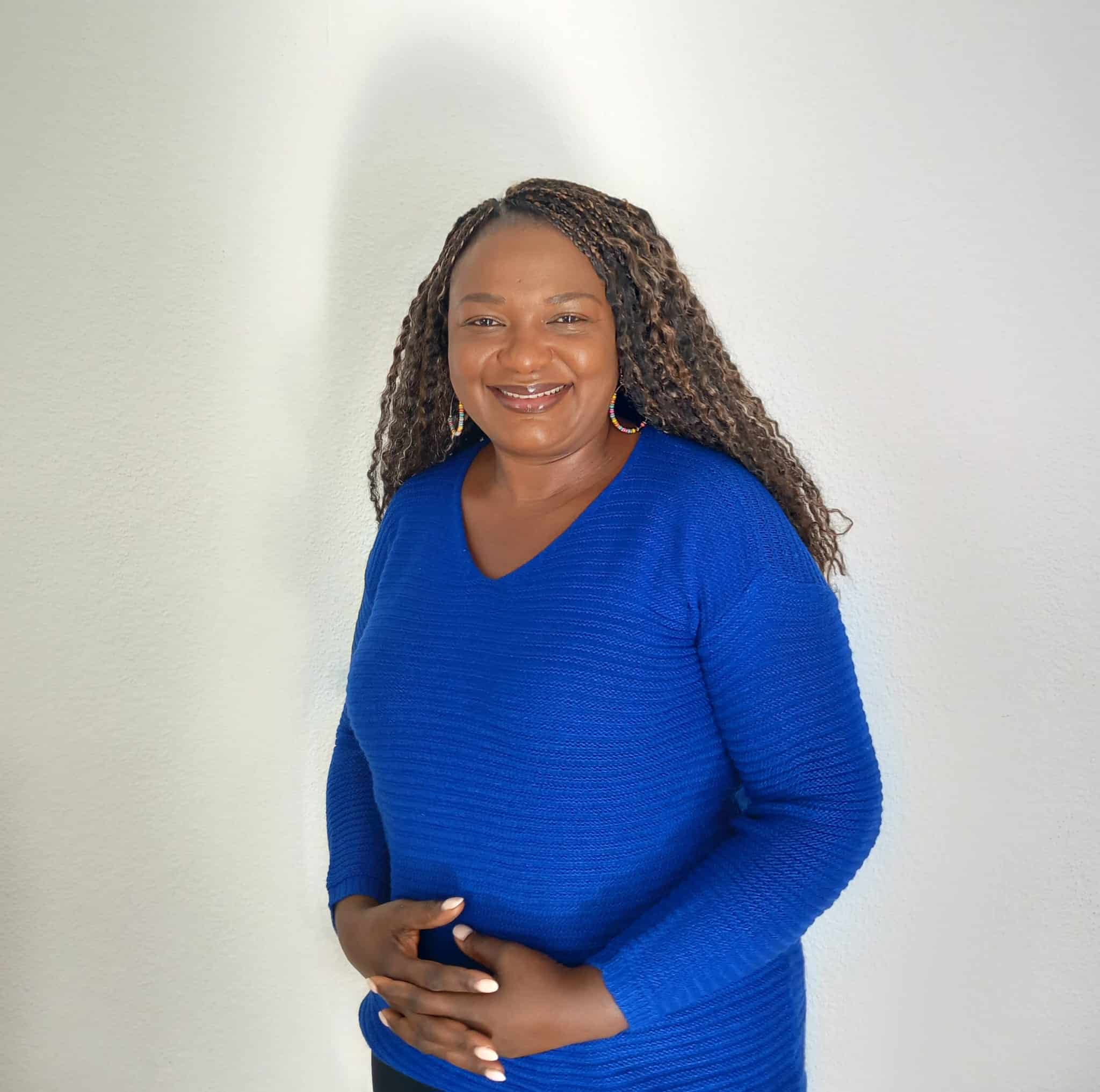
  • Delphine Takwi

    Consultant for Transcultural Dialogue and Maternal Health at the Frauenwerk der Nordkirche

    www.frauenwerk-nordkirche.de/

    Germany today is an intercultural country. In such a world, maternal health is very important. Maternal health is directly linked to the health of the child: Healthy mothers are more likely to raise healthier children - the well-being of mothers can affect the physical and mental health of their children for years to come. That's why we can no longer remain silent. The time is now for us to stand up, step out and speak clearly about our issues and rights as mothers.
    My goal is to empower mothers, especially those from marginalized cultures, to make good decisions about their health. I also want to promote gender equality, autonomy and the overall well-being of mothers because healthy mothers contribute to stronger families, healthier communities and ultimately a more prosperous society.

  • Kerstin Temüpel

    Kerstin Tempel

    Managing Director of the Federal Association of Mothers' Centers

    www.muetterzentren-bv.de/

    Mothers and other carers are still too often overlooked politically. Care work sustains our society, but it is still unequally distributed and insufficiently protected. This has consequences for health, participation and economic security.
    Mothers„ centers are public living rooms. Places where mothers, women, families and other people with caring responsibilities can find support, community and self-efficacy: low-threshold, in solidarity and close to everyday life. This is precisely why we support “100,000 Mothers".
    The movement sums up what we have been experiencing for decades and what we have been campaigning for: Care work must become visible and finally be given a reliable political framework. We stand for structures that strengthen those responsible for care and provide fair protection for care work.

In addition, many of the supporters continue to support the movement in their localities.

Initiators

In 2024, the initiators included Antje Krause, Andrea Boyer, Katrin Schmidt, Irene Pabst, and Delphine Takwi (EVA e.V., https://eva-frauengesundheit.de/), Dr. Dagmar Hertle (AKF e.V., https://www.arbeitskreis-frauengesundheit.de/), Rebekka Rupprecht (German Mothers' Convalescence Fund, https://www.muettergenesungswerk.de/) and Sarah Zöllner (#MothersInPolitics, https://www.muetter-macht-politik.de/). An intensive public relations campaign on social media, supported by Manja Liehr from the Mädchenkolletiv, https://maedchenkollektiv.my.canva.site/), quickly publicized the movement and led to numerous Supporters.

Who is behind the campaign?

Evangelical Association for Women's Health (EVA)

Website

Elly Heuss-Knapp Foundation, German Mothers' Convalescence Fund

Website

Women's Health Working Group (AKF)

Website

Initiative #MothersPowerPolitics

Website